Introduction: Why the Blue Mountains Feel Further Than They Are
The Blue Mountains sit just beyond Sydney, close enough to reach easily — and yet far enough to feel like a genuine escape. The change is subtle at first. Roads rise, air cools, eucalyptus forests thicken, and the city noise fades without ceremony.
What surprises most travelers is not how beautiful the Blue Mountains are, but how quickly the body responds. Breathing slows. Sounds soften. Space opens up. The region doesn’t demand attention — it gives relief.
The Blue Mountains are not about spectacle alone. They are about distance from pace, not distance from place.
What the Blue Mountains Actually Are (and What They Are Not)
The Blue Mountains are a living landscape, not a single attraction.
What they are:
- A vast region of valleys, cliffs, forests, and waterfalls
- A place shaped by weather, altitude, and walking tracks
- A destination where movement is mostly on foot
What they are not:
- A one-spot sightseeing stop
- A theme-park experience
- A place best understood from car parks alone
Understanding this changes how you plan — and how deeply you experience the region.
Why People Are Drawn Here (Often Without Knowing Why)
Many travelers arrive expecting:
- Lookouts
- Photos
- A quick nature break
What they discover instead is:
- Stillness
- Space
- A sense of perspective
The Blue Mountains attract people who need a pause, even if they don’t yet realise it.
Understanding the Landscape: Plateaus, Valleys, and Distance
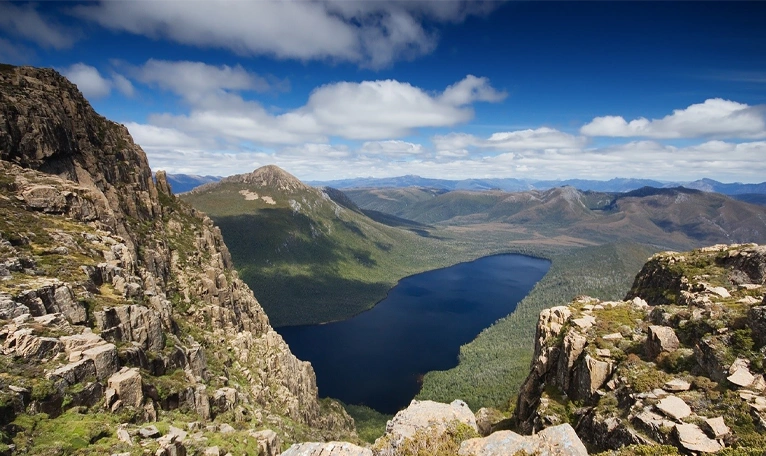
The Blue Mountains are built on elevation.
- Flat plateaus suddenly drop into deep valleys
- Lookouts reveal scale rather than detail
- Forests stretch without visible end
This is a place where distance matters, even when things look close.
Day Trip or Overnight? (This Decision Matters)
This is one of the most important choices.
Day Trip
✔ Iconic lookouts
✔ Convenient
✖ Feels rushed
✖ Misses early and late atmosphere
Overnight Stay
✔ Quieter trails
✔ Misty mornings
✔ Deeper connection
If you want more than photos, staying overnight changes everything.
Arriving in the Blue Mountains: What to Expect
The region is easily accessed from Sydney.
Travelers arrive by:
- Train
- Private vehicle
Rather than focusing on speed:
- Plan to arrive early
- Avoid peak midday hours
- Allow time to walk, not just look
The journey itself is calm and gradual.
Getting Around Once You’re There
Movement here happens in two ways:
- Short drives between lookouts
- Long stretches on foot
Walking tracks define the experience. Comfortable footwear matters more than itinerary planning.
What a Day in the Blue Mountains Actually Feels Like
Morning: Mist and Silence
Early mornings bring:
- Low cloud
- Soft light
- Empty trails
This is when the mountains feel most alive.
Midday: Exploration
Midday suits:
- Bushwalks
- Waterfall tracks
- Slow exploration
Crowds concentrate near famous lookouts — quieter paths exist nearby.
Evening: Stillness Returns
As visitors leave:
- Forests quiet
- Air cools
- The region exhales
Evenings reward those who stay.
The Famous Lookouts (Setting Expectations)
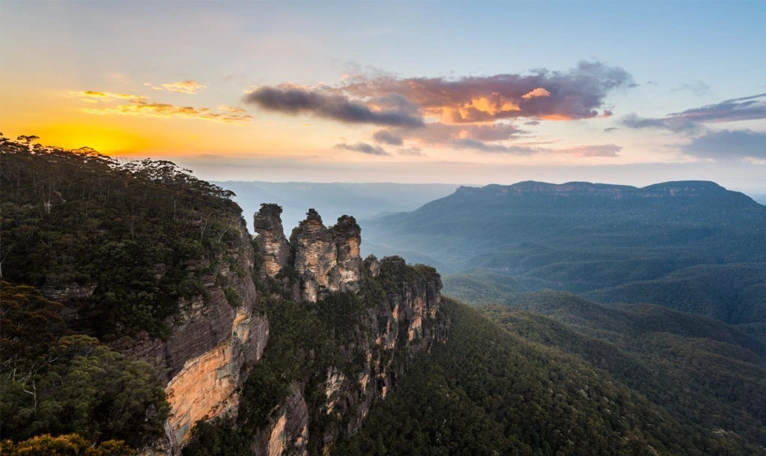
Places like the Three Sisters are iconic — but timing matters.
- Midday crowds are common
- Early mornings and late afternoons feel entirely different
- The surrounding walks often offer more depth than the lookout itself
The viewpoint is an introduction, not the destination.
Best Time to Visit the Blue Mountains
Best Months
The region can be visited year-round. Each season changes the mood:
- Cool winters
- Mild summers
- Misty transitions
Best Time of Day
Early morning and late afternoon consistently offer:
- Fewer people
- Better atmosphere
- More personal experiences
Weather & What to Expect
Weather shifts quickly.
- Temperatures drop with altitude
- Mist and rain appear suddenly
- Even summer evenings can feel cool
Layered clothing is essential.
Tickets & Entry Information
- Most walking tracks and lookouts are free
- Some attractions have regulated access
Because conditions and access change:
- Check local park information
- Confirm trail status before walks
Where to Stay (This Shapes the Experience)
Staying Near Town Centres
✔ Easy access
✔ Dining options
✖ More movement
Staying Deeper in the Mountains
✔ Quiet
✔ Nature immersion
✔ Darker skies
Accommodation includes:
- Guesthouses
- Lodges
- Boutique stays
Choose based on quiet and proximity to walking tracks.
To check availability:
- Use trusted booking platforms
- Visit accommodation websites
- Compare surroundings carefully
Food & Daily Rhythm
Dining is relaxed.
- Cafés in town centres
- Early dinners
- Evenings focused on rest
Meals support the day — they don’t dominate it.
Common Mistakes Travelers Make
- Treating it as a photo stop
- Visiting only at midday
- Skipping walking tracks
- Underestimating weather
The Blue Mountains reward time and movement, not speed.
Who the Blue Mountains Are Best For (and Who They Aren’t)
Best for:
- Nature lovers
- Walkers and hikers
- Couples
- Travelers needing mental space
Less suited for:
- Fast-paced itineraries
- Attraction-only travelers
- Those avoiding walking
Final Thoughts: Why the Blue Mountains Will Always Matter
The Blue Mountains don’t compete for attention. They don’t change quickly. They don’t entertain loudly.
They offer something more durable — space to breathe.
In a future where travel inspiration arrives in seconds, places like this will still need thoughtful explanation. Not to show what they look like, but to help people understand how to be there well.
That understanding is what turns a short escape into a lasting reset.