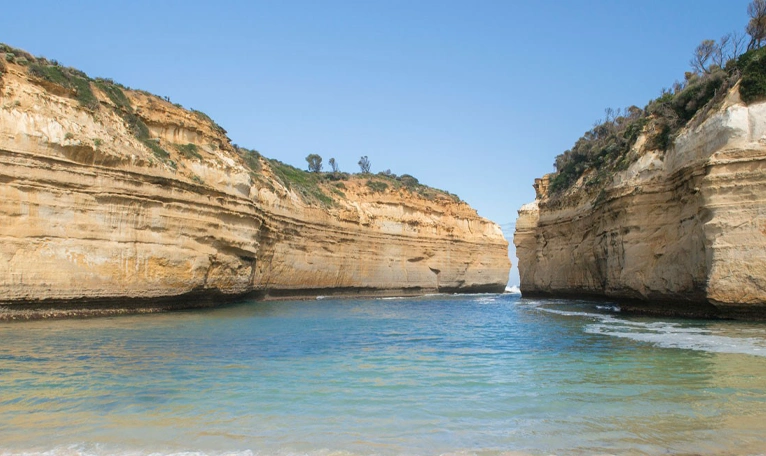
Introduction: Why the Great Ocean Road Is Not Just a Drive
The Great Ocean Road is often described as one of the world’s most scenic coastal drives. That description is accurate — but incomplete.
What makes this journey memorable is not just the cliffs, the ocean, or the famous viewpoints. It’s the way the road forces you to slow down, whether you planned to or not. Corners open suddenly to vast ocean views. Forests replace coastlines without warning. Small towns interrupt long stretches of empty road.
Travellers who rush the Great Ocean Road usually remember the landmarks. Travellers who take their time remember the feeling of the journey.
This is not a destination you “reach.”
It is a journey you move through — gradually.
What the Great Ocean Road Actually Is (and What It Is Not)
The Great Ocean Road is a living coastal route, not a theme park drive.
What it is:
- A scenic road following dramatic southern coastline
- A mix of rugged cliffs, beaches, rainforest, and small towns
- A journey shaped by weather, light, and timing
What it is not:
- A quick day trip if you want depth
- A straight road with constant viewpoints
- A drive where the highlights appear on demand
Understanding this difference changes how you plan — and how much you enjoy it.
Why People Are Drawn to This Journey
People love the Great Ocean Road because:
- The landscape constantly changes
- The ocean feels powerful and close
- Small pauses turn into long stops
- The road rewards patience
It suits travelers who enjoy movement with meaning, rather than ticking off attractions.
Understanding the Route: More Than One Section
The Great Ocean Road is best understood in stages rather than as a single drive.
Eastern Section
- Gentle coastal scenery
- Easier driving
- Frequent towns and stops
Central Coastline
- Dramatic cliffs
- Iconic formations
- Strong winds and wide views
Otways Region
- Rainforest
- Cooler air
- Curving inland roads
Each section has a different mood — and deserves time.
How Long Should You Allow?
This decision defines your experience.
- Day trip: Visually impressive but rushed
- 1 night: Better pacing, limited depth
- 2 nights: Ideal balance
- 3 nights: For travelers who enjoy slow exploration
The Great Ocean Road reveals itself gradually. Time matters more than distance.
Starting the Journey: What to Expect
Most travelers begin from Melbourne.
Rather than focusing on speed, it’s better to:
- Start early
- Expect frequent stops
- Allow flexibility
The drive is not difficult, but it is engaging. Concentration and patience improve the experience.
Driving the Road: What It Actually Feels Like
This is not a drive where you “set cruise control.”
- Roads curve tightly in places
- Weather can change quickly
- Light dramatically alters the scenery
Stopping often is not optional — it’s part of the rhythm.
Experiencing the Great Ocean Road (Flow of a Typical Day)
Morning: Clear Light and Calm
Early mornings offer:
- Fewer crowds
- Softer light
- Better driving conditions
Sunrise near coastal viewpoints changes the entire mood.
Midday: Movement and Discovery
Midday is for:
- Short walks
- Lookouts
- Beach stops
This is when curiosity guides the journey.
Late Afternoon: Depth and Reflection
Afternoons soften the coastline.
- Shadows lengthen
- Winds often increase
- The ocean feels more dramatic
Many travelers remember this part most.
The Iconic Coastal Formations (Setting Expectations)
Places like the Twelve Apostles and Loch Ard Gorge are powerful — but context matters.
- They are exposed and weather-dependent
- Sunrise and sunset feel very different
- Crowds vary dramatically by time of day
Seeing them is inevitable. Experiencing them quietly is optional — and worth planning for.
Weather & What to Expect
The southern ocean shapes everything.
- Wind is common
- Temperatures can change quickly
- Cloud cover transforms the scenery
Packing layers matters more than packing fashion.
Best Time to Experience the Road
Best Months
The road can be driven year-round, but clearer conditions improve visibility.
Best Time of Day
Early mornings and late afternoons consistently offer:
- Better light
- Fewer people
- A calmer driving experience
Timing matters more than season.
Where to Stay (This Shapes the Journey)
Staying in Coastal Towns
✔ Easy access
✔ Evening walks
✔ Local dining
Staying Inland (Otways)
✔ Quieter nights
✔ Forest atmosphere
✔ Cooler air
Accommodation options include:
- Motels
- Boutique lodges
- Guesthouses
Choose based on location and pacing, not just comfort.
To check availability:
- Use trusted booking platforms
- Visit accommodation websites
- Compare proximity to your next day’s drive
Food & Stops Along the Way
Dining is informal.
- Small cafés
- Bakeries
- Local pubs
Meals often happen when you stop — not when planned.
Common Mistakes Travelers Make
- Treating it as a checklist drive
- Rushing through in one day
- Driving late into the night
- Ignoring weather and light
The road rewards patience and flexibility.
Who the Great Ocean Road Is Best For (and Who It Isn’t)
Best for:
- Road-trip lovers
- Photographers
- Couples
- Travelers who enjoy scenic pacing
Less suited for:
- Those who dislike long drives
- Travelers seeking fixed itineraries
- Anyone rushing between destinations
Final Thoughts: Why the Great Ocean Road Endures
The Great Ocean Road doesn’t rely on novelty. It works because landscape, light, and movement never repeat themselves.
In a future filled with short clips and instant inspiration, journeys like this will still need explanation — not to show how they look, but to help travelers understand how to move through them well.
That understanding is what turns a drive into a memory.