Introduction: More Than a Famous Rock
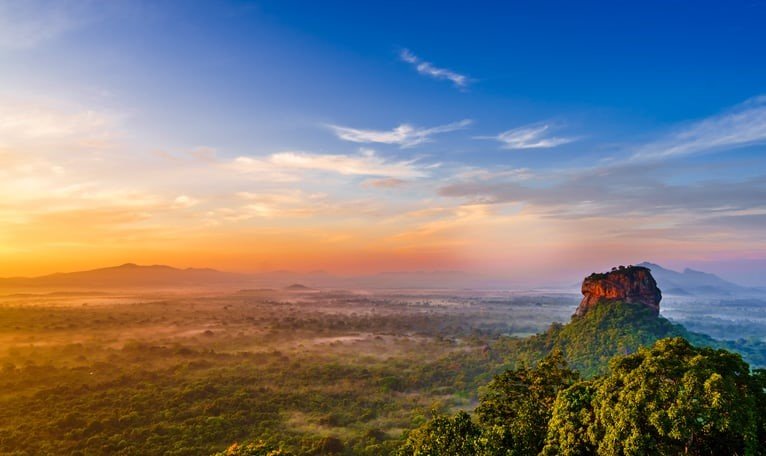
Sigiriya is often introduced as Sri Lanka’s most iconic landmark, but that description alone doesn’t explain what it feels like to visit. Rising suddenly from flat plains in the Cultural Triangle, Sigiriya dominates the landscape in a way that feels both powerful and deliberate.
This is not just a place to take photos. Sigiriya represents an ancient vision of leadership, design, and relationship with nature. Built in the 5th century, the site combines rock formations, water gardens, frescoes, and palace ruins into a single, carefully planned complex. Understanding this context makes the visit far more meaningful.
Sigiriya suits travelers who enjoy history combined with physical experience, rather than passive sightseeing.
Why People Are Drawn to Sigiriya
People visit Sigiriya because:
- It combines history, nature, and movement
- The views change continuously as you climb
- The scale of the site creates perspective
- It feels meaningful rather than decorative
Unlike many monuments, Sigiriya asks for effort — and rewards it gradually.
Understanding the Area & Setting
Sigiriya is located in a rural area surrounded by forests, lakes, and open farmland. Nearby towns are small and quiet. Most visitors stay close to the site so they can visit early in the morning.
The flat surroundings make the rock appear even more dramatic, especially at sunrise.
How Long Should You Stay?
- Ideal: 1–2 nights
This allows time to climb Sigiriya calmly and explore nearby attractions without rushing.
Getting to Sigiriya
Sigiriya is best reached by road from:
- Kandy
- Colombo
- Dambulla
Public buses run to nearby towns, followed by tuk-tuk rides. Travelers should confirm routes and schedules locally or with accommodations.
What the Visit Actually Feels Like
The climb is gradual rather than steep.
- Early sections pass through landscaped gardens
- Mid-levels reveal frescoes and ancient walls
- Upper levels open wide views over forests and lakes
Starting early changes everything — temperature, crowd levels, and overall experience.
Best Time to Visit
Best months: Generally drier periods offer comfort
Best time of day: Early morning (before 9:00 am)
This is less about season and more about timing.
Tickets & Entry Information
Entry tickets are required and must be purchased at official counters.
Because rules and access conditions can change, travelers should:
- Check official tourism sources
- Confirm details locally
- Avoid relying on old online pricing
Where to Stay Near Sigiriya
Budget & Homestays
- Simple, family-run stays
- Good local insight
Mid-Range Lodges
- Comfortable rooms, often with gardens
- Suitable for couples and families
Boutique & Nature Resorts
- Eco-focused, quiet settings
- Best for relaxed evenings
Staying nearby allows an early, unrushed visit.
Common Misunderstandings
- It is not a quick stop
- It is not shaded — preparation matters
- It is not best visited at midday
Who Sigiriya Is Best For
✔ History lovers
✔ Active travelers
✔ Photographers
✔ Travelers who enjoy meaningful landmarks
✖ Those avoiding walking or heat
Final Thoughts
Sigiriya is not just impressive — it is intentional. Travelers who approach it with curiosity and patience leave with a deeper appreciation of Sri Lanka’s ancient vision and landscape.